
A Feast of Watercolor Concludes in Treviso: The 4th Venice International Watercolor Festival Successfully Closes
The 15-day 4th Le Venezie International Watercolor Festival concluded on November 1 at the Palazzo dei Trecento in Treviso. Running since its opening on October 17, this international watercolor celebration—themed "Heritage and Expedition: Watercolor Memory and Contemporary"—attracted artists and audiences from nearly 30 countries and regions. Held in the medieval ancient city known as the "Gateway to Venice," it completed an intercultural watercolor dialogue spanning continents and connecting the past with the present.
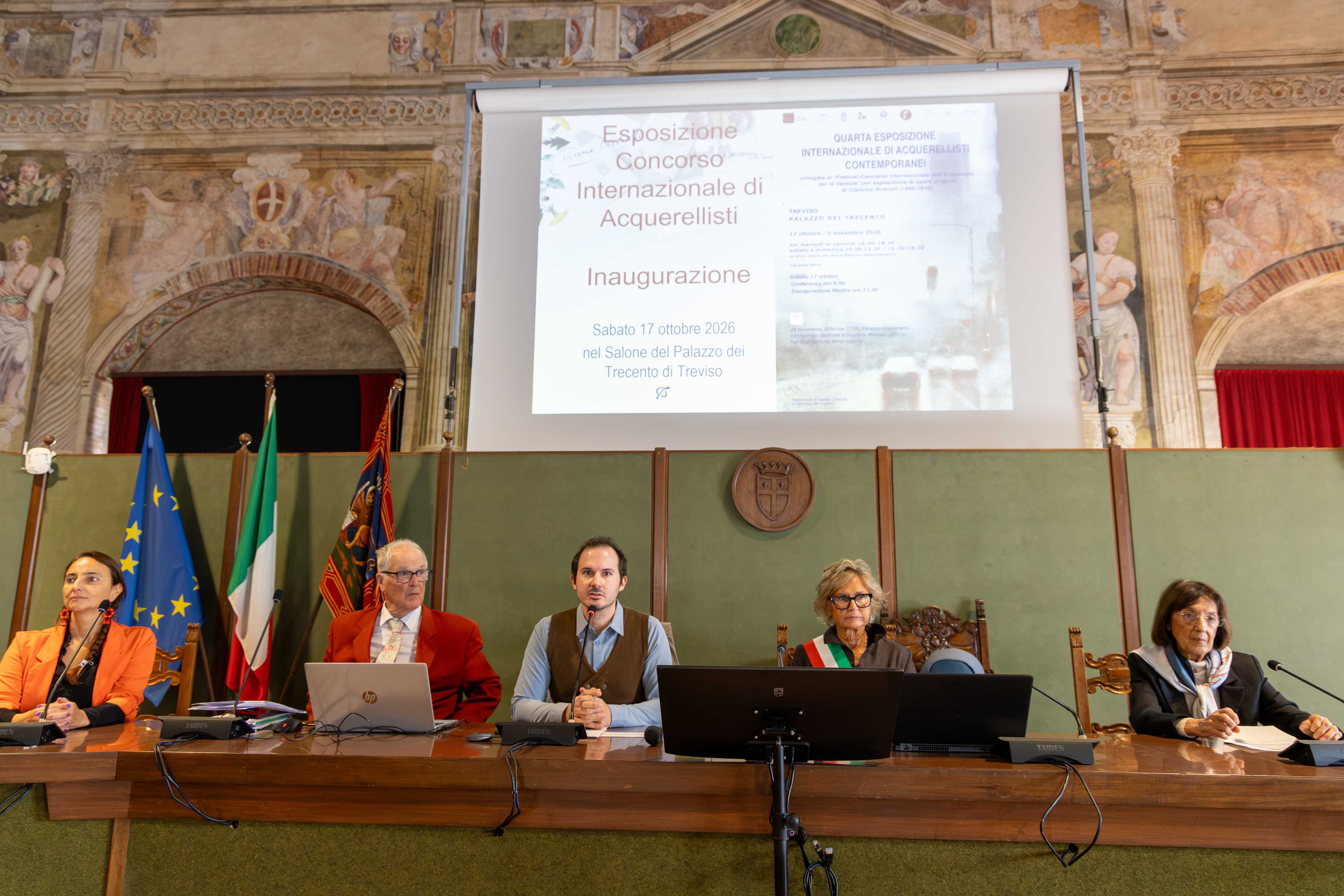
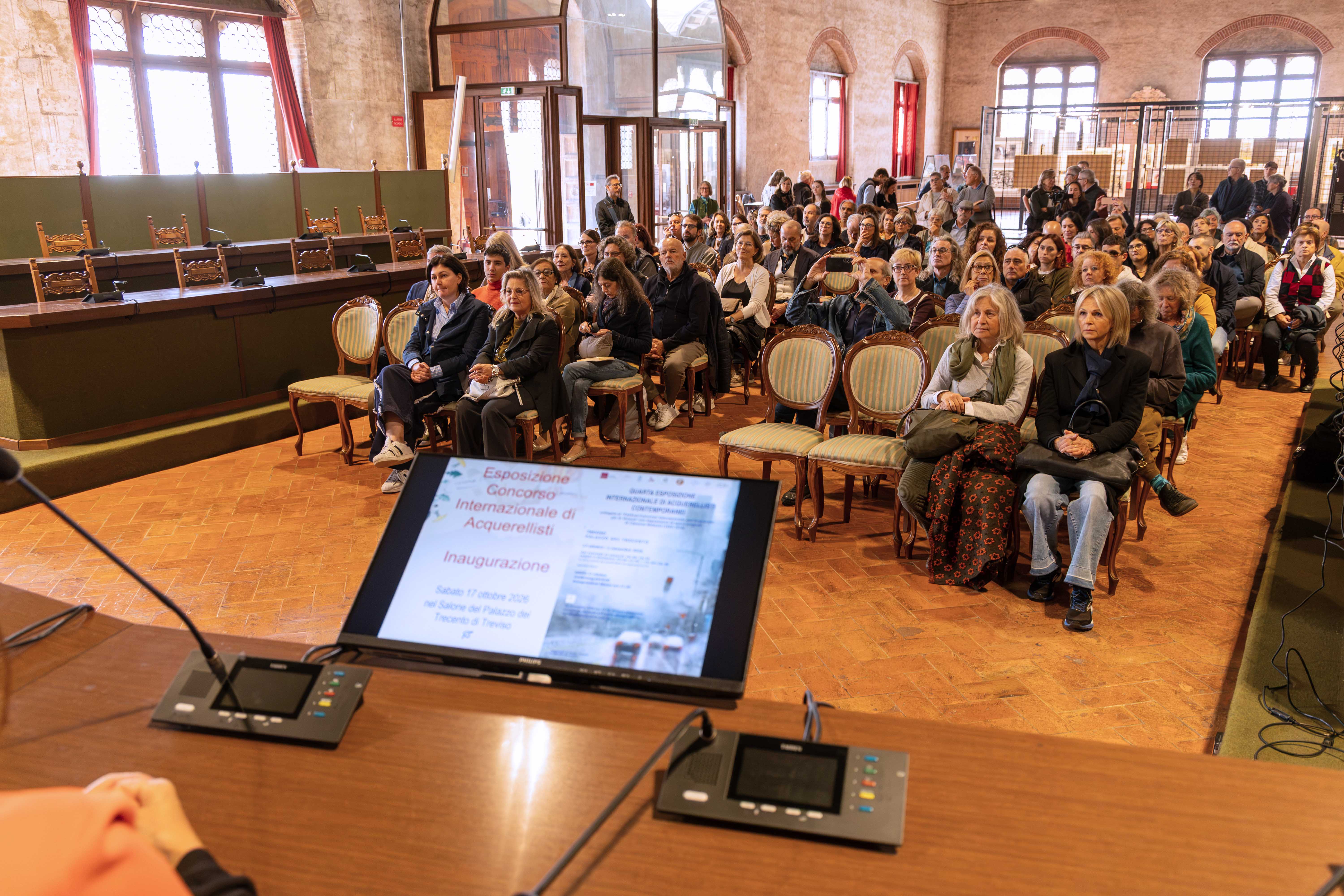
The opening ceremony of the 4th Venice International Watercolor Festival took place on October 17 at the Palazzo dei Trecento in Treviso. Maria Teresa De Gregorio, Treviso's Councilor for Culture and Art; Raffaele Padova, President of the Italian Association for Cultural and Art Exchange; Marcus Bicknell, President of the Clarence Bicknell Association who traveled from the UK; and renowned curator Sandra Miranda Pattin attended the opening ceremony and delivered speeches. Nearly 200 art figures from multiple European countries were present, with several international watercolor artists flying in specially from countries such as Canada and Sweden.
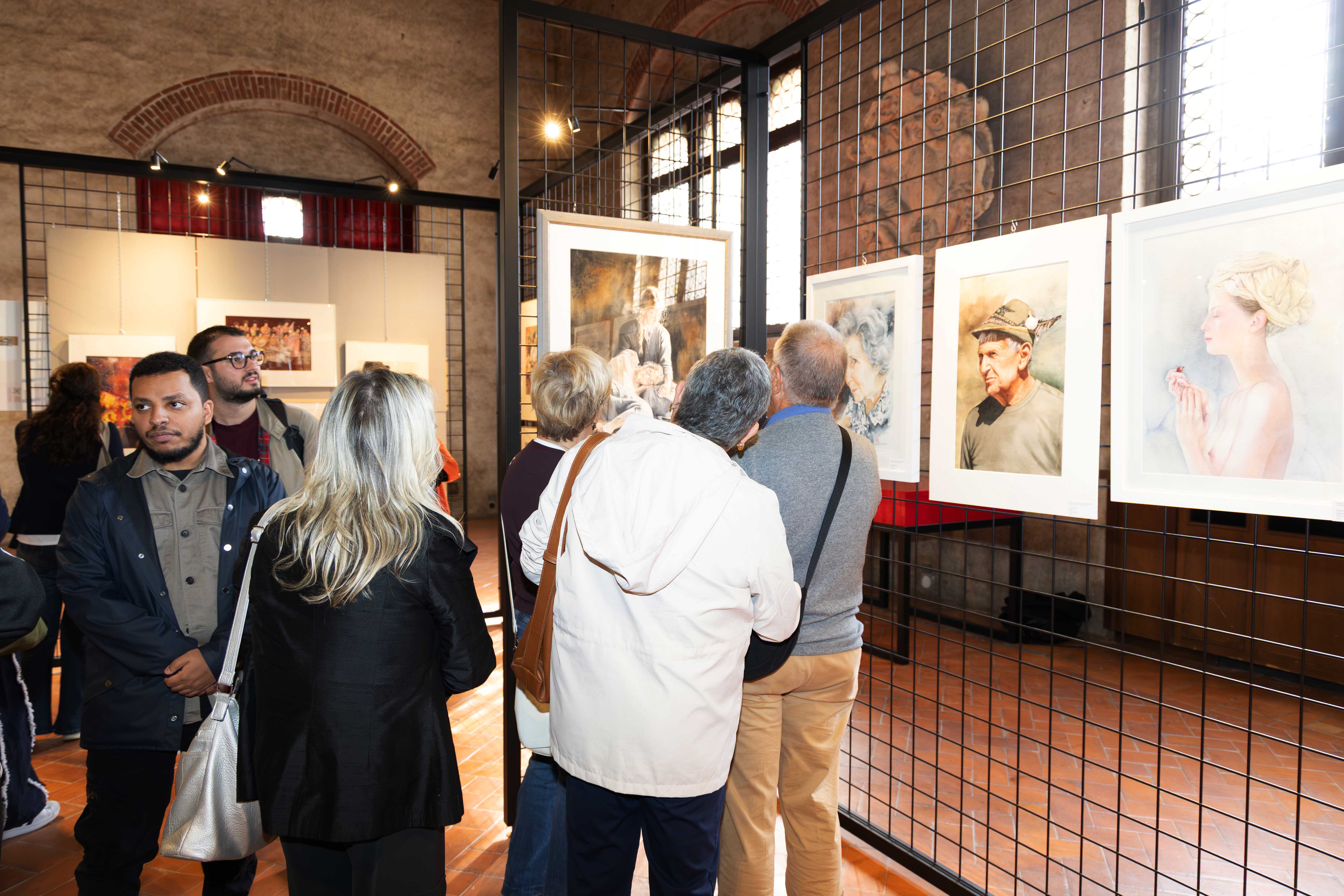
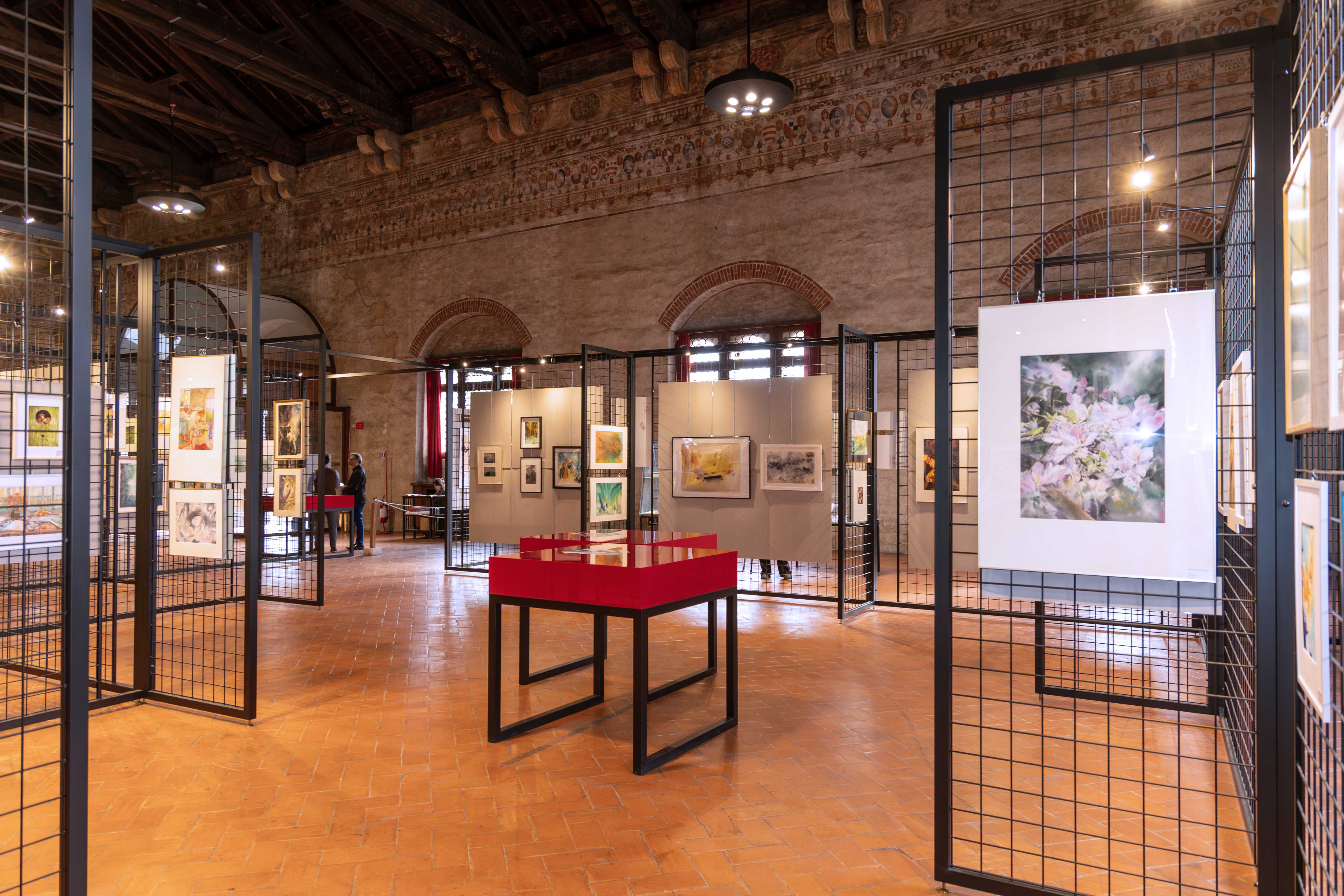
This year's watercolor festival was the most international and structurally diverse edition since its inception, featuring around 150 works. Participating artists covered nearly 30 countries and regions, including Italy, China, Spain, the Netherlands, Germany, France, Switzerland, the UK, Belgium, and Sweden. The exhibition was divided into three main sections: a selected exhibition area for shortlisted works featuring portraits, landscapes, still lifes, florals, and abstract/exploratory pieces; a Clarence Bicknell special exhibition area presenting original works and documents from the 19th-century artist; and a solo exhibition of 10 invited works by Chinese watercolor artist Wang Wei, showcasing the brush-and-ink charm and contemporary perspective of Eastern watercolor.
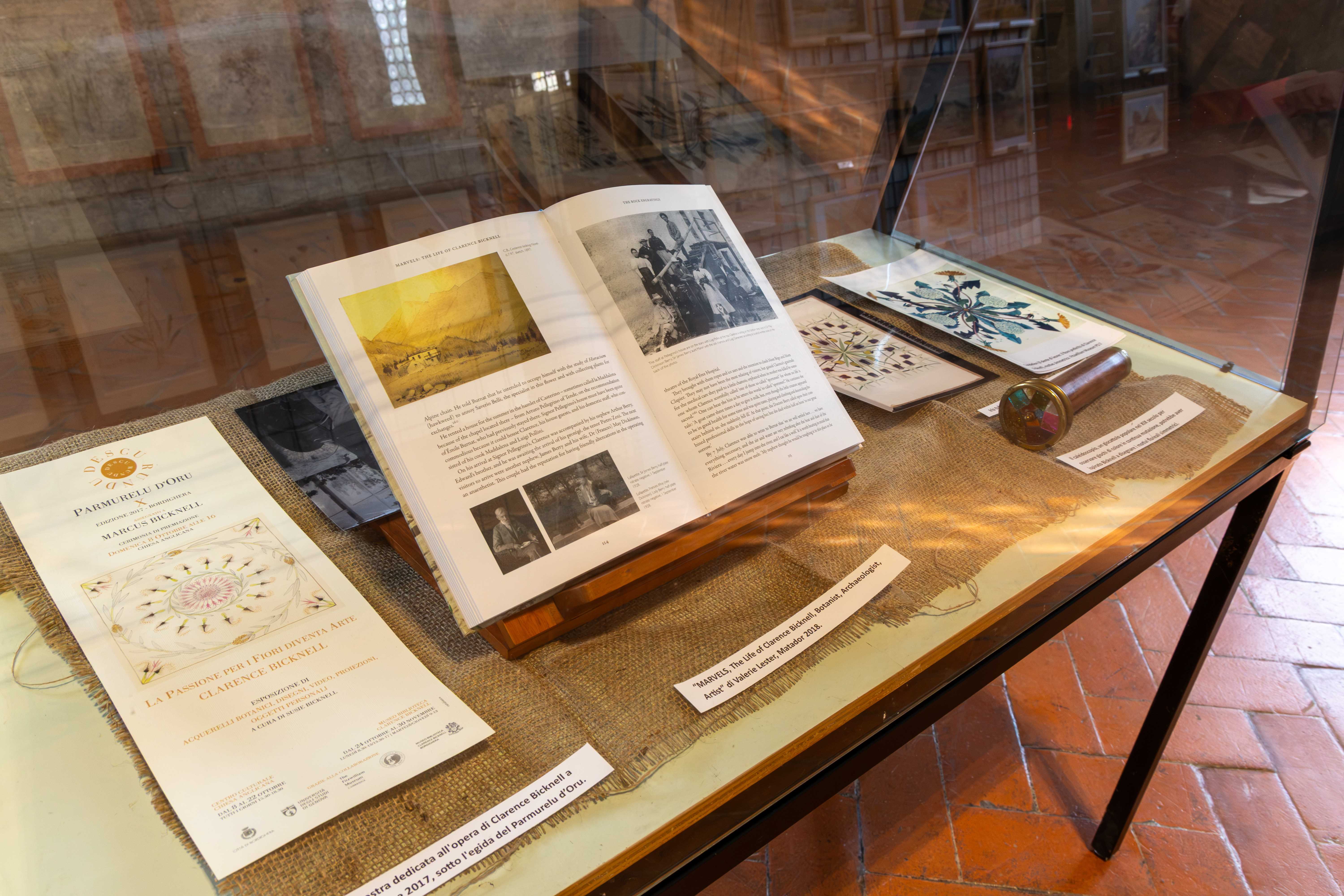
At the opening ceremony, Marcus Bicknell, President of the Clarence Bicknell Association, stated in his speech that, leveraging the renowned platform of the Venice International Watercolor Festival, this year's Bicknell family watercolor special exhibition represents the largest-scale display of Clarence's works to date, surpassing the 2017 commemorative exhibition for the "Golden Palmarella" cultural award in Bordighera. He mentioned that his great-grandfather's father was a patron and collector of Turner; last year's watercolor festival focused on Turner, and this year it was Clarence's turn, reflecting a century-long tradition of passing down the torch of watercolor art. "Clarence was a humble artist, and he would be immensely honored to exhibit alongside outstanding contemporary painters from around the world," he said.
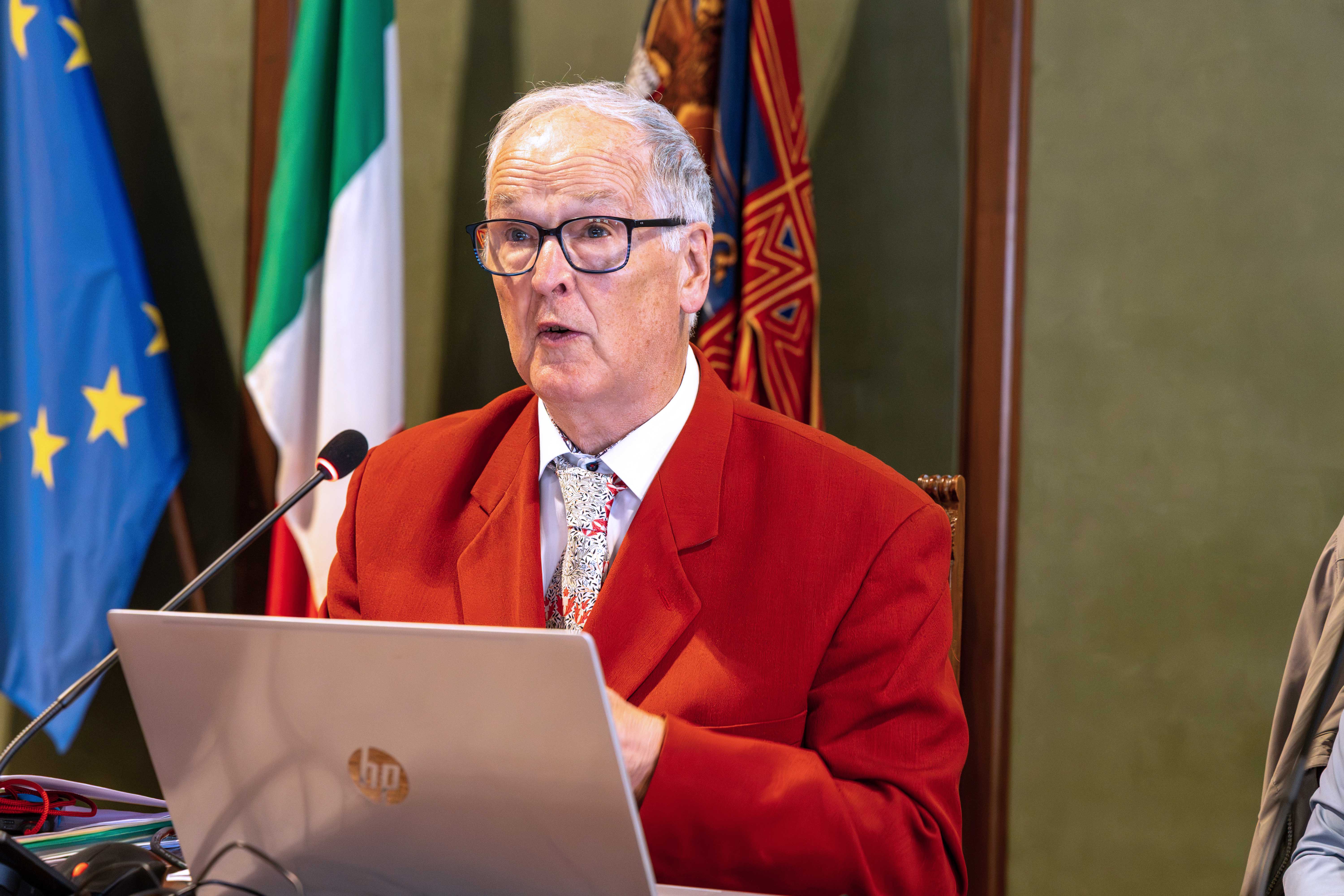
Maria Teresa De Gregorio, Treviso's cultural official, delivered a speech on behalf of the municipal government at the opening ceremony. She pointed out that through four editions, the Le Venezie International Watercolor Festival has grown into a cultural brand with international influence in Treviso. As the "Gateway to Venice," Treviso boasts medieval architectural heritage like the Palazzo dei Trecento, and the continuous holding of the watercolor festival has secured a new position for this ancient city on the contemporary international art map. This grand event not only showcases Treviso's cultural and art resources to the world, but also builds a face-to-face communication platform and bridges connecting people of different nations for artists and audiences. The Treviso municipal government will continue to fully support the festival's future development and looks forward to growing alongside the city.
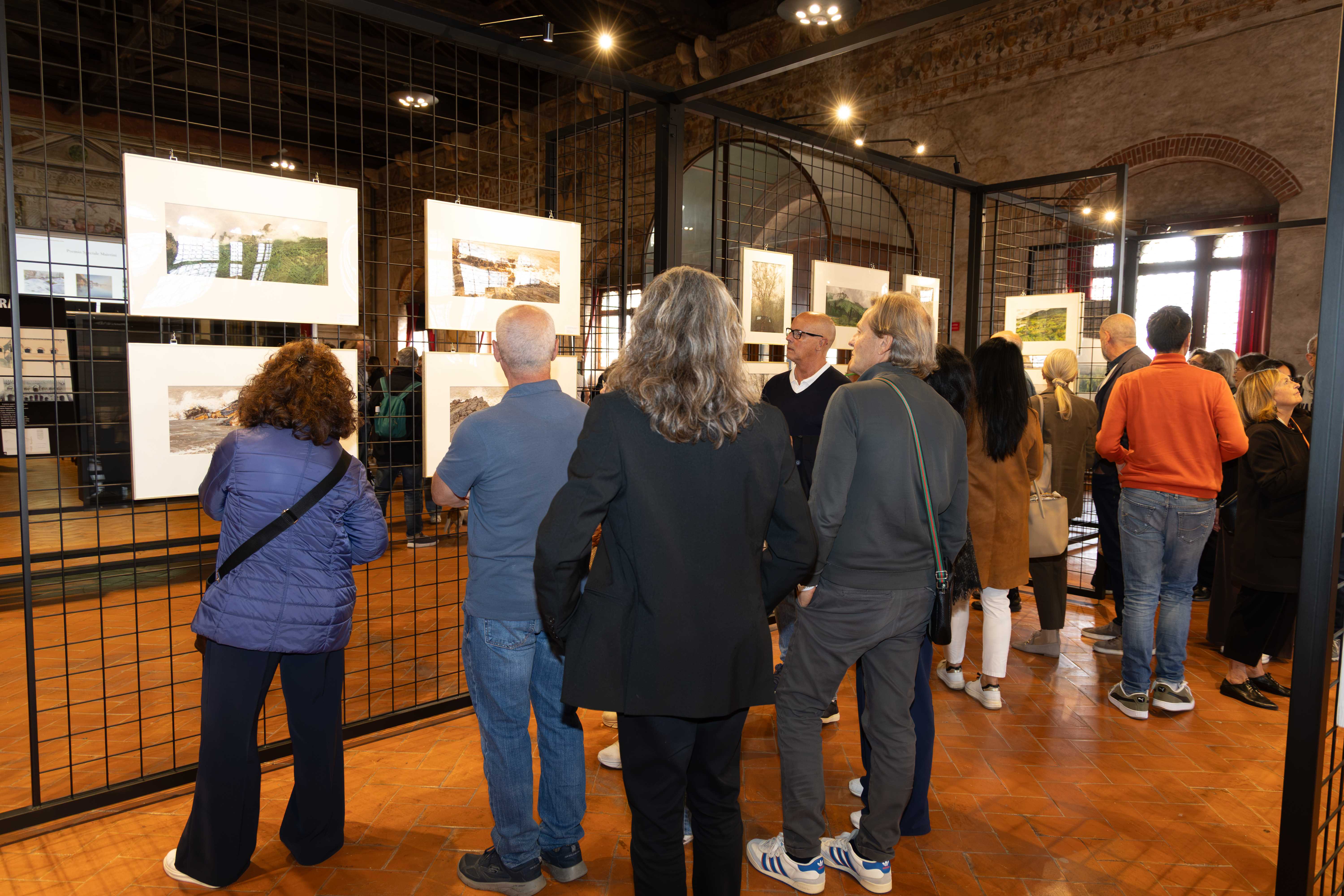
Antonella Pastor Stocchi, President of the University of Treviso, focused her speech on the contemporary value of hand-drawn art. She pointed out that in today's era of rapid digital and computer design development, the material texture, creative process, and personal experience of the creator preserved in traditional hand-drawn artworks appear increasingly precious. The festival's centralized presentation of paper-based original works from around the world within historical halls like the Palazzo dei Trecento is itself an insistence on and promotion of the humanistic spirit, preserving an important sensory dimension for contemporary urban culture.
International judge and curator Sandra Miranda Pattin spoke from her personal experience during the judging process. She confessed that the overall quality of this year's entries exceeded expectations, and making choices among numerous outstanding works with diverse styles, subjects, and techniques was a test for every judge. She praised the organizing committee's perseverance and efforts over the years in promoting watercolor art, noting that it is no small feat for the festival to gather artists and judges from Europe, Asia, and the Americas in Treviso to form such a professional international judging and exhibition mechanism.
Raffaele Padova, President of the Italian Association for Cultural and Art Exchange, spoke as the representative of the organizers. He expressed gratitude to artists and guests from various countries who traveled from afar, with a special tribute to the Chinese partner, Shengxinyu Art. He recalled that since its debut in 2023, the watercolor festival has grown to gather artists from nearly 30 countries and regions, which is inseparable from the continuous trust and cooperation of art circles in Italy, China, the UK, and elsewhere. Among them, Shengxinyu Art undertook substantial concrete work such as global submission organization, international judge invitation, Chinese work collection/framing, and cross-border transportation, serving as the true core engine of the festival. Founder Zhang Hongbin's independent judgment on the value of watercolor in art history and contemporary ecological awareness provided an important fulcrum for the festival's thematic planning. The chairman, who has a background as an art historian, also explained this year's theme, pointing out that the inheritance of an art form never relies solely on individual genius artists, but is inseparable from a cultural ecology composed of patronage, collection, scientific research, and humanistic spirit. The story of two generations of the Bicknell family provides a vivid footnote for this historical transmission and development of art.
During the exhibition, the 21 international judges of this year's festival selected various awards, continuously sparking attention throughout the exhibition period. For the Grand Prizes, Swedish artist Nina Nermark won first place ($2,000 prize) for Friendship, while Italian artist Simon Schmidt's Under Rialto and Chinese artist Wang Dan's Walnuts and Red Dates won second place ($800 prize each). The thematic award, the "Clarence Bicknell Prize," was personally judged by Marcus Bicknell and his wife Susie: Italian artist Elisa Vitullo's Podalirio at Noon won first place, while Chinese artists Liu Lingfeng's Songzhuang Ancient Bridge and Xu Lin's Melancholy Violet Sequence won second and third places, respectively.
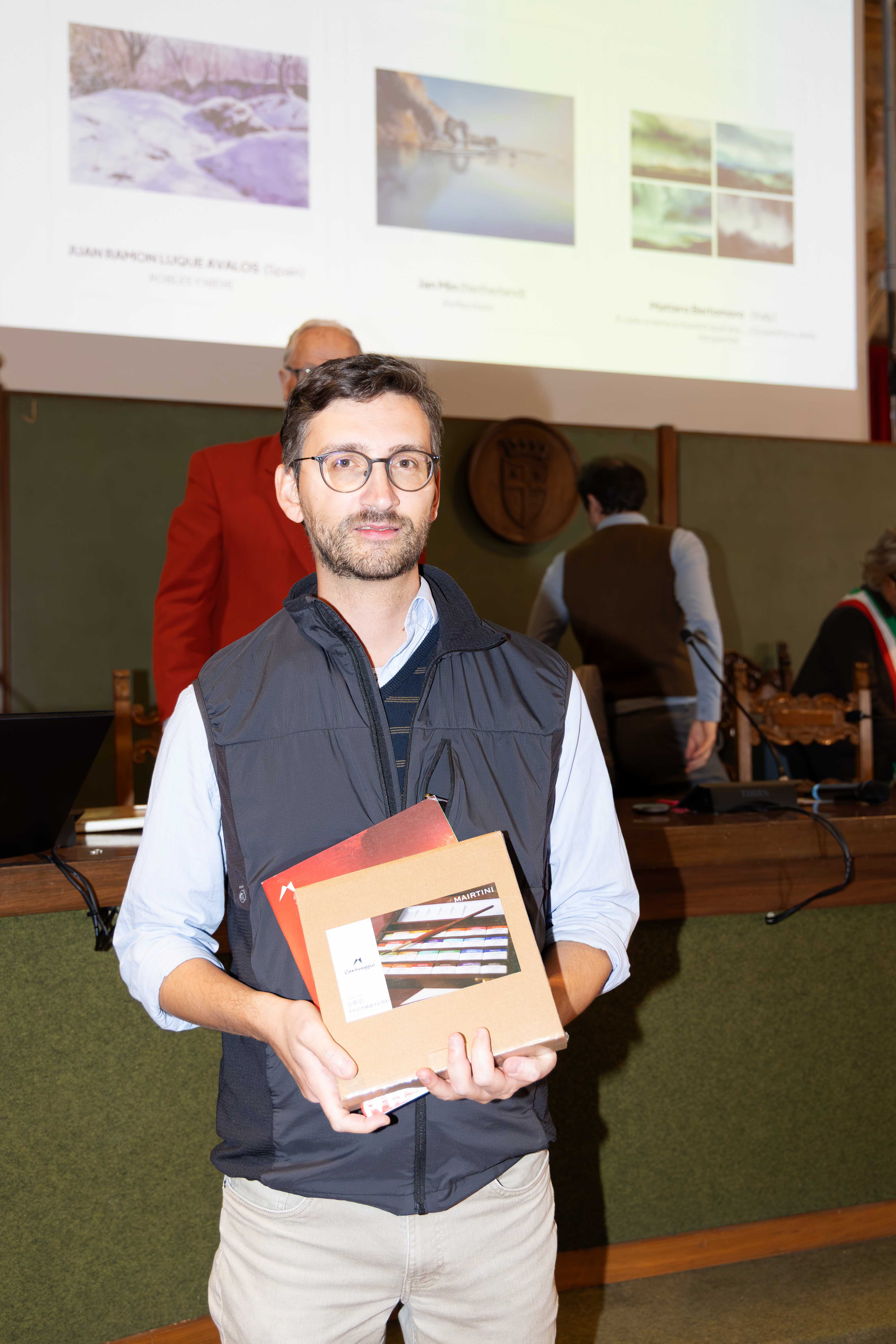
It is worth mentioning that the Chinese pigment brand Martini established its first sponsored award, the "Martini Award," this year. Award-winning artists included Juan Ramón Luque Avalos and Jan Min from Spain, Matteo Bertomoro from Italy, and Bao Juntao and Kan Lei from China. For a long time, such awards have mostly been dominated by traditional European art material brands. The inclusion of a Chinese brand is both a recognition of "Made in China" and echoes the festival's operational pattern of "Sino-Italian cooperation, multi-country co-construction," continuing the Bicknell spirit of "nourishing art through patronage." Martini founder Yangdiming previously delivered a video speech at the opening ceremony, expressing his willingness to support global watercolor creators with sponsored awards and high-quality art materials, and looking forward to deeper cooperation with the festival in the future.
Looking back at the journey of the past four editions, this thread is clearly discernible. Zhang Hongbin, Chief Curator of the Venice International Watercolor Festival, reviewed the evolution of the curation concept in an interview. He said that the first three editions anchored on epidemic restart, the Marco Polo commemoration, and the Turner commemoration respectively, which were essentially "centered around a single figure." For the fourth edition, the curation team wanted to take a step further—instead of just commemorating individual artists, they questioned the ecology behind the art. "Turner became Turner because of patrons like Elhanan Bicknell; Clarence's botanical watercolors are moving because they stand at the intersection of science and art." In his view, patronage, collection, research, and education jointly constitute the soil of an art form. "What a curator can do is set the stage; what truly makes watercolor speak is always the artwork itself." Ji Yinglun, Secretary-General of the watercolor festival, reviewed the event from an observer's perspective, believing that this year's list of winners is itself a map of world watercolor—artists from over 30 countries such as Sweden, Italy, China, Spain, and Bangladesh competed on the same stage and achieved respective success. "The awards won by Chinese artists Wang Dan, Liu Lingfeng, and Xu Lin show that the creative level of Chinese watercolor has won general recognition from international judges." He noted that Martini, as a Chinese pigment brand, established a sponsored award for the first time and stood on the podium alongside winners from various countries: "The Chinese element extends from contestants and curators to material sponsors; this is a signal that two-way exchanges are moving deeper." He stated that the festival will continue to build this platform for Chinese artists, saying, "The door is open, and there will be more surprises next year."
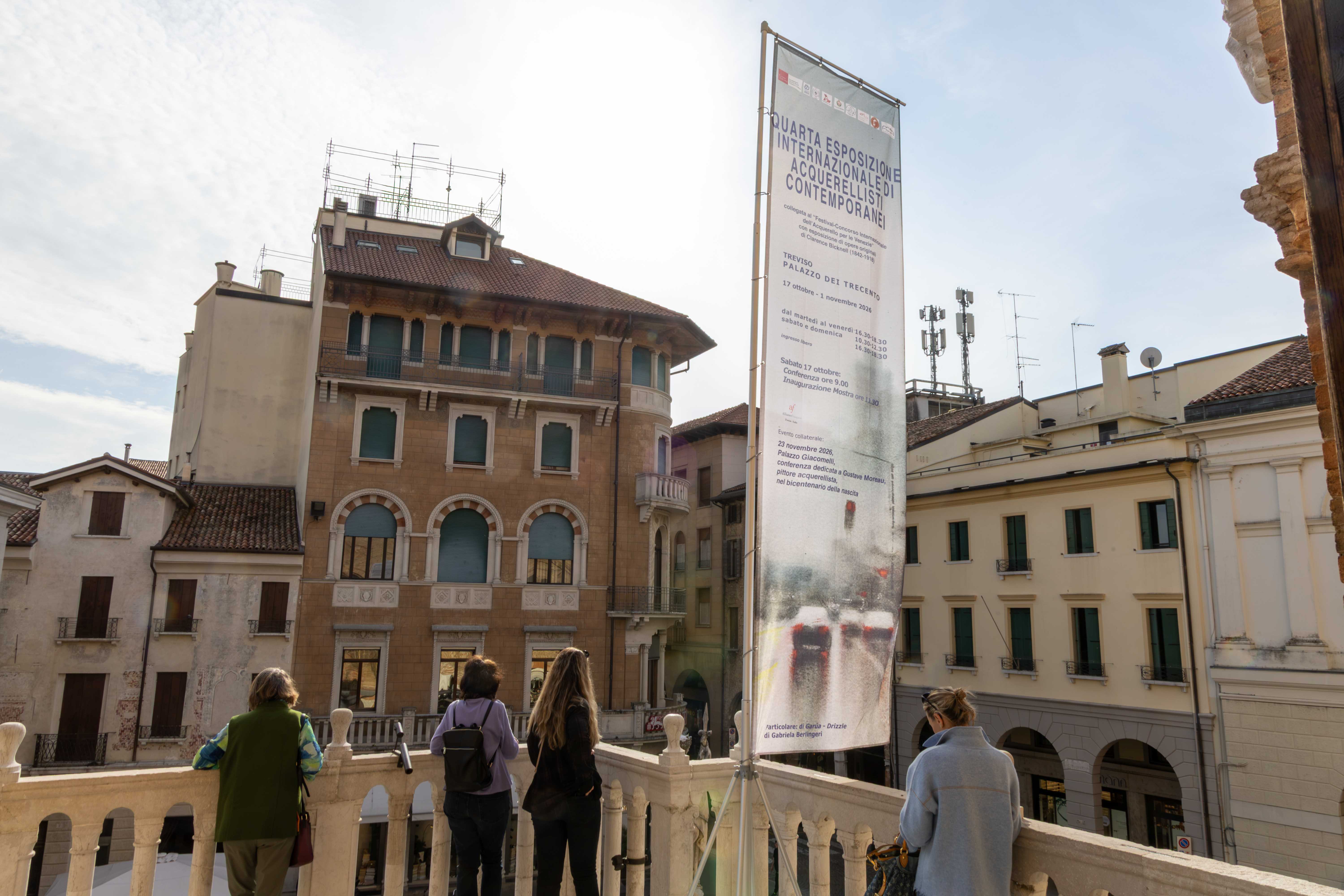
Although the exhibition has closed, the dissemination of the watercolor festival has not stopped. The organizing committee produced official electronic and physical art catalogs for all participants and created a 3D virtual exhibition hall, allowing global audiences to still "view the exhibition in the cloud" and look back at these winning and selected masterpieces. Activities such as sketching on-site, academic seminars, and special lectures during the exhibition have also settled into the academic accumulation of the festival.
From its difficult start amidst the pandemic in 2023 to its scale covering nearly 30 countries across five continents today, the Venice International Watercolor Festival has proven over four years that watercolor, an ancient art medium using water, still possesses the power to transcend language and borders. Water flows on paper, and civilization grows in exchange—the lights at the Palazzo dei Trecento in Treviso have gone out, but this borderless cultural dialogue looks forward to the next edition in the coming year.